
DGProfile
Jain Matrimony: How Families Assess Potential Matches
Posted on 27 April 2026
Introduction
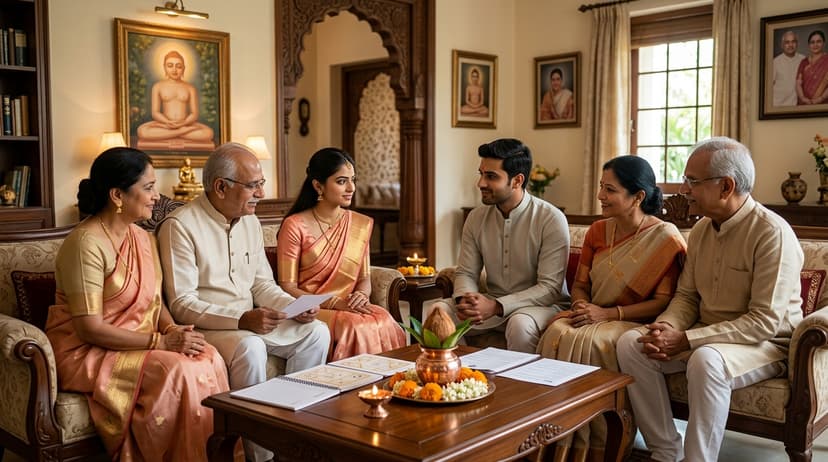
Finding a life partner within the Jain community is a significant event, deeply rooted in tradition and cultural values. Jain families approach the matrimony process with careful consideration, focusing on compatibility, shared beliefs, and family values. This blog post will delve into the key aspects that Jain families consider when evaluating potential matches, providing insights into the process and highlighting the importance of finding a suitable partner who aligns with their way of life.
Core Values and Beliefs
The foundation of any successful Jain marriage lies in shared core values and beliefs. Jainism emphasizes non-violence (Ahimsa), truthfulness (Satya), non-stealing (Asteya), celibacy (Brahmacharya), and non-attachment (Aparigraha). Families seek partners who genuinely embody these principles in their daily lives. This includes dietary habits (strict vegetarianism, often avoiding root vegetables), ethical conduct, and a commitment to spiritual growth.
- Ahimsa (Non-Violence): Families will often inquire about the prospective partner's understanding and practice of Ahimsa, including their lifestyle choices and respect for all living beings.
- Vegetarianism: Strict adherence to a vegetarian diet, often avoiding root vegetables like onions and potatoes, is a crucial factor. Families will want to ensure the partner's commitment to this dietary practice.
- Spiritual Inclination: A genuine interest in Jain philosophy, meditation, and religious practices is highly valued. Families often look for individuals who actively participate in religious activities and are committed to spiritual development.
Family Background and Values
In Jain matrimony, the family background of the prospective partner is given significant importance. Families assess the values, traditions, and social standing of the other family to ensure compatibility. This includes:
- Family Reputation: The reputation of the family within the Jain community is carefully considered. Families look for a lineage with a history of ethical conduct, community involvement, and adherence to Jain principles.
- Educational Background: The educational attainment of the prospective partner and their family members is also taken into account, reflecting their values and commitment to personal growth.
- Financial Stability: While not the primary focus, financial stability is an important consideration to ensure a secure future for the couple.
- Social Standing: The family's social standing within the Jain community is assessed, including their involvement in social activities and their contribution to the community's well-being.
Education and Career
Education and career prospects are important considerations in modern Jain matrimony. Families value individuals who are educated, ambitious, and have a stable career. This ensures financial security and contributes to the overall well-being of the family. However, it's crucial that professional aspirations align with Jain values and ethical principles.
- Academic Achievements: Families consider the academic achievements of the prospective partner, looking for evidence of dedication and intellectual capabilities.
- Career Stability: A stable career that aligns with Jain values is highly valued. Families prefer careers that do not involve harming living beings or engaging in unethical practices.
- Professional Ethics: Maintaining ethical standards in the workplace is crucial. Families will inquire about the prospective partner's commitment to honesty, integrity, and fairness in their professional dealings.
Personality and Temperament
Beyond external factors, personality and temperament play a crucial role in determining compatibility. Families seek individuals who are kind, compassionate, understanding, and adaptable. A harmonious relationship requires mutual respect, effective communication, and the ability to resolve conflicts peacefully.
- Communication Skills: Effective communication is essential for a healthy relationship. Families will assess the prospective partner's ability to express themselves clearly and listen attentively.
- Emotional Maturity: Emotional maturity is crucial for navigating the challenges of married life. Families look for individuals who are emotionally stable, responsible, and capable of handling difficult situations with grace and composure.
- Adaptability: The ability to adapt to new situations and challenges is highly valued. Families understand that marriage involves compromise and flexibility, and they seek partners who are willing to adapt to each other's needs and preferences.
- Respect for Elders: Respect for elders is a fundamental value in Jain culture. Families will observe how the prospective partner interacts with their elders and assess their level of respect and deference.
Cultural Compatibility
Jain culture is rich in traditions and customs. Families seek partners who are culturally compatible and willing to embrace these traditions. This includes participating in religious ceremonies, celebrating festivals, and maintaining cultural practices within the home.
- Religious Observance: Active participation in religious ceremonies and festivals is highly valued. Families look for partners who are committed to maintaining Jain traditions and passing them on to future generations.
- Respect for Traditions: A deep respect for Jain traditions and customs is essential. Families will assess the prospective partner's understanding and appreciation of their cultural heritage.
- Family Customs: Each Jain family has its own unique customs and traditions. Families will want to ensure that the prospective partner is willing to embrace and respect these customs.
Lifestyle and Habits
Lifestyle and habits are closely scrutinized to ensure compatibility. This includes dietary habits, daily routines, and personal interests. A shared lifestyle can contribute to a harmonious and fulfilling marriage.
- Dietary Habits: As mentioned earlier, strict adherence to a vegetarian diet is crucial. Families will inquire about the prospective partner's dietary preferences and ensure their commitment to this practice.
- Daily Routines: Compatible daily routines can contribute to a harmonious marriage. Families will assess the prospective partner's daily schedule and ensure that it aligns with their own lifestyle.
- Personal Interests: Shared personal interests can strengthen the bond between partners. Families will inquire about the prospective partner's hobbies and interests and look for common ground.
The Role of Matchmakers
Matchmakers play a significant role in Jain matrimony, often acting as intermediaries between families. They help identify potential matches based on the criteria outlined above and facilitate communication between the families. Matchmakers can provide valuable insights and guidance throughout the process.
Modern Considerations
While traditional values remain important, modern Jain families also consider factors such as individual aspirations, career goals, and personal preferences. Finding a balance between tradition and modernity is crucial for a successful and fulfilling marriage.
- Individual Aspirations: Families recognize the importance of individual aspirations and support their children in pursuing their dreams.
- Personal Preferences: Personal preferences are taken into account when evaluating potential matches. Families understand that happiness and fulfillment are essential for a successful marriage.
Conclusion
Evaluating potential matches in Jain matrimony is a complex process that involves careful consideration of various factors. By focusing on core values, family background, education, personality, cultural compatibility, and lifestyle, families strive to find a partner who will contribute to a harmonious and fulfilling marriage. The ultimate goal is to create a strong and lasting bond based on mutual respect, shared values, and a commitment to Jain principles.
Ready to find your perfect Jain match? Register on DGProfile today and start your journey towards a blissful union! Visit us at https://dgprofile.co.
10 views
0 likes
0 comments
Leave a Comment
More Articles by DGProfile

26 April 2026
· 5 min read

25 April 2026
· 7 min read
24 April 2026
· 7 min read
20 April 2026
· 8 min read

19 April 2026
· 7 min read

18 April 2026
· 7 min read

© 2026 DGProfile Marriages (OPC) Pvt. Ltd. All Rights Reserved.