
DGProfile
Jain Marriage: Religion's Vital Role | DGProfile
Posted on 20 April 2026
Introduction
Jainism, with its emphasis on non-violence (Ahimsa), truth (Satya), non-stealing (Asteya), celibacy (Brahmacharya), and non-attachment (Aparigraha), profoundly influences every aspect of a Jain's life. Naturally, this extends to marriage. A Jain marriage isn't simply a union of two individuals; it's a sacred bond built upon shared spiritual values and a commitment to living a life guided by Jain principles. It's about creating a family that upholds and propagates these values for generations to come. This blog post explores the importance of religion in Jain marriages, highlighting how it shapes the ceremony, daily life, and the overall success of the marital relationship.
The Foundation of Jain Values in Marriage
At the heart of a Jain marriage lies the commitment to upholding the core tenets of Jainism. This means that couples entering into a Jain marriage are expected to live a life that minimizes harm to all living beings, practice honesty in their dealings, refrain from taking what isn't freely given, exercise self-control, and limit their material possessions. These values form the bedrock upon which a strong and enduring marriage can be built.
- Ahimsa (Non-Violence): This principle is paramount. It influences dietary choices (vegetarianism is strictly adhered to), lifestyle choices (avoiding activities that cause harm to animals), and even the way couples interact with each other. Arguments are approached with compassion and understanding, seeking peaceful resolutions rather than resorting to anger or aggression.
- Satya (Truth): Honesty and transparency are crucial in any marriage, but in a Jain marriage, it's elevated to a spiritual practice. Open and honest communication fosters trust and allows the couple to navigate challenges together with integrity.
- Asteya (Non-Stealing): This extends beyond physical theft to include intellectual property and even time. Respecting each other's boundaries and resources is essential.
- Brahmacharya (Celibacy/Self-Control): While not always interpreted literally after marriage, this principle emphasizes self-control and moderation in all aspects of life, fostering a sense of responsibility and commitment.
- Aparigraha (Non-Attachment): Material possessions are viewed as transient. Couples are encouraged to focus on spiritual growth and shared experiences rather than accumulating wealth. This reduces the potential for conflict arising from materialism.
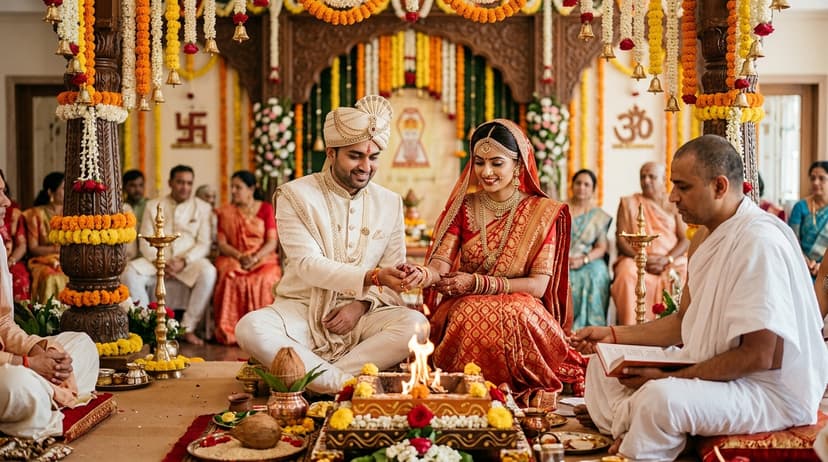
Jain Wedding Rituals: A Reflection of Religious Values
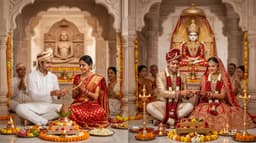
The ceremonies involved in a Jain wedding are steeped in religious symbolism and traditions, each designed to reinforce the importance of these core values. From the Lagna Patrika (marriage invitation) to the Vidaai (farewell), every ritual carries a deeper meaning.
- Lagna Patrika Vachan: The formal announcement of the wedding, read aloud in the presence of family and community members. This signifies the couple's commitment to entering into marriage.
- Sagai (Engagement): The exchange of rings and gifts symbolizes the formal agreement between the two families.
- Mehndi and Sangeet: These pre-wedding celebrations are filled with joy and music, but even here, the emphasis is on purity and auspiciousness. Songs often invoke blessings from Jain deities.
- Mandap Mahurat: The construction of the wedding mandap (a sacred canopy) is a ritual in itself, signifying the creation of a sacred space for the ceremony.
- Baraat: The groom's procession to the bride's home is a festive occasion, but traditionally, it's conducted with humility and respect.
- Jaimala: The exchange of garlands signifies the acceptance of each other as life partners.
- Kanyadaan: The giving away of the bride by her parents is a symbolic gesture, representing the transfer of responsibility to the groom.
- Hastamelap: The joining of hands signifies the union of two souls.
- Pheras: The seven vows taken around the sacred fire are the most important part of the ceremony. Each vow reinforces the couple's commitment to upholding Jain values throughout their married life. These vows cover aspects such as mutual respect, fidelity, compassion, and spiritual growth.
- Vidaai: The bride's farewell to her family is an emotional moment, but it's also a celebration of a new beginning.
The Role of Family and Community
In Jain marriages, the family and community play a significant role. Arranged marriages are still common, with families carefully vetting potential partners to ensure compatibility in terms of religious beliefs, values, and lifestyle. The community provides support and guidance to the couple throughout their marriage, offering a sense of belonging and shared identity.
Challenges and Modern Interpretations
While the traditional values of Jainism remain central to marriage, modern couples often face challenges in navigating these values in a contemporary world. Balancing career aspirations with family responsibilities, maintaining a strict vegetarian diet, and practicing non-attachment in a consumerist society can be difficult.
However, many couples find creative ways to adapt these values to their modern lifestyles. For example, they may choose to donate to charitable causes rather than accumulating excessive wealth, or they may practice mindfulness and meditation to cultivate inner peace and reduce stress. The key is to find a balance between tradition and modernity that works for both partners.
Finding a Compatible Jain Partner
Finding a partner who shares your Jain values and beliefs is crucial for a successful and fulfilling marriage. Online Jain matrimony platforms like DGProfile can be invaluable in this process. These platforms allow you to connect with potential partners who share your religious and cultural background, making it easier to find someone with whom you can build a strong and lasting relationship.
Conclusion
Religion plays a vital role in Jain marriages, shaping the ceremony, daily life, and the overall success of the relationship. By upholding the core tenets of Jainism, couples can build a marriage based on love, respect, compassion, and spiritual growth. While modern couples may face challenges in navigating these values in a contemporary world, finding creative ways to adapt tradition to their lifestyles can lead to a fulfilling and meaningful partnership.
Ready to find your Jain life partner? Join DGProfile today and begin your journey towards a blissful and spiritually fulfilling marriage! Visit us at: https://dgprofile.co
11 views
0 likes
0 comments
Leave a Comment
More Articles by DGProfile
27 April 2026
· 8 min read
26 April 2026
· 5 min read

25 April 2026
· 7 min read
24 April 2026
· 7 min read
19 April 2026
· 7 min read

18 April 2026
· 7 min read

© 2026 DGProfile Marriages (OPC) Pvt. Ltd. All Rights Reserved.