
DGProfile
Jain Wedding Traditions: Cultural Expectations Explained
Posted on 25 April 2026
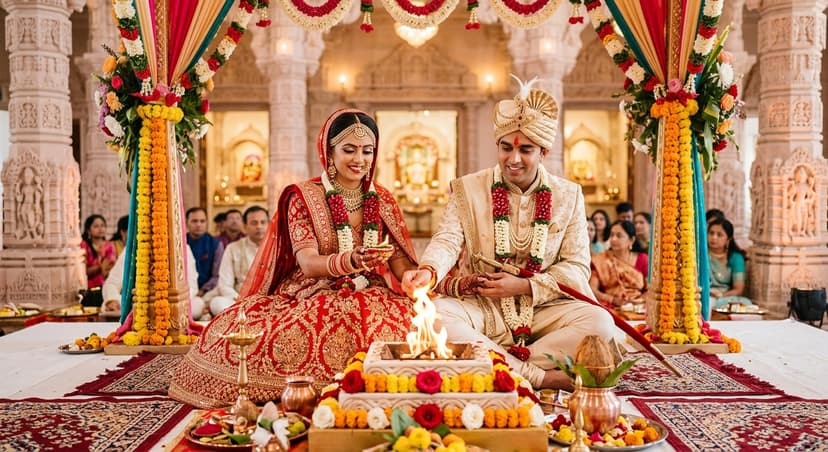
Introduction
Jain weddings are beautiful celebrations steeped in rich cultural traditions and profound spiritual significance. More than just a union of two individuals, they represent the coming together of two families and the continuation of Jain values and beliefs. Understanding the cultural expectations surrounding these weddings is crucial for a smooth and harmonious experience, ensuring that both the bride and groom, along with their families, are on the same page. This blog post aims to shed light on some of the key cultural expectations you might encounter when planning or attending a Jain wedding.
Pre-Wedding Rituals and Expectations
Before the actual wedding ceremony, a series of pre-wedding rituals are performed, each carrying its own significance and cultural weight. These rituals are not merely formalities; they are symbolic acts that purify, bless, and prepare the couple for their married life.
Lagna Lekhan (Fixing the Date): The first significant step is Lagna Lekhan, where the wedding date is fixed based on astrological calculations and the alignment of the stars. This is usually done by a knowledgeable Pandit (priest) who considers the horoscopes of the bride and groom to determine an auspicious date.
Sagai (Engagement): The Sagai ceremony marks the formal engagement of the couple. Rings are exchanged, and gifts are given to the bride and groom by each other's families. This ceremony signifies the commitment and acceptance of the match by both families.
Mehendi Ceremony: The Mehendi ceremony is a fun-filled event where intricate henna designs are applied to the bride's hands and feet. The designs often carry symbolic meanings, and the darkness of the henna is believed to indicate the depth of love between the couple. It's a celebration with music, dance, and merriment, involving close family and friends.
Sangeet Ceremony: Similar to Mehendi, the Sangeet is all about music, dance, and celebration. Family members and friends perform traditional songs and dances, creating a lively and joyous atmosphere. It's an opportunity for both families to bond and get to know each other better.
Pithi Ceremony: The Pithi ceremony involves applying a paste made of turmeric, sandalwood, and other herbs to the bride and groom. This paste is believed to purify the skin and bring good luck. It's a time for blessings and well-wishes from family and friends.
Cultural Expectations: It's expected that both families actively participate in these rituals, showcasing their enthusiasm and support for the couple. Punctuality is also highly valued, and adhering to the timings set by the Pandit is considered important. Dress modestly and respectfully during religious ceremonies.
The Wedding Ceremony and its Significance
The wedding ceremony itself is the heart of the celebration, a sacred and solemn occasion filled with meaningful rituals and vows. It’s conducted in accordance with Jain scriptures and traditions, overseen by a knowledgeable Pandit.
Baraat: The groom arrives at the wedding venue in a procession called the Baraat. He is usually accompanied by his family and friends, who sing, dance, and celebrate his journey to the wedding. The bride's family welcomes the groom and his party with warmth and hospitality.
Jaimala: The Jaimala ceremony involves the bride and groom exchanging garlands, symbolizing their acceptance of each other as life partners.
Kanyadaan: Kanyadaan is a significant ritual where the bride's parents formally hand over their daughter to the groom, entrusting him with her well-being and happiness. It's a poignant moment that signifies the transfer of responsibility and care.
Mangal Pheras: The Mangal Pheras involve the bride and groom circling the sacred fire four times, each representing Dharma (righteousness), Artha (wealth), Kama (desire), and Moksha (liberation). With each round, they take vows to support each other in fulfilling these aspects of life.
Saptapadi: The Saptapadi is another crucial ritual where the bride and groom take seven steps together, each step representing a specific vow related to their married life. These vows solidify their commitment to each other and to their shared future.
Vidai: The Vidai ceremony marks the departure of the bride from her parental home. It's an emotional moment as she bids farewell to her family and begins her new life with her husband. This is a very emotional and important part of the wedding.
Cultural Expectations: Maintaining reverence and respect during the ceremony is paramount. Guests are expected to dress modestly, refrain from talking loudly, and avoid using mobile phones during the rituals. Participating in the rituals with sincerity and attentiveness shows respect for the traditions and the sanctity of the occasion.
Post-Wedding Rituals and Family Integration
Even after the wedding ceremony, the celebrations continue with post-wedding rituals that focus on integrating the bride into her new family and strengthening the bonds between the two families.
Griha Pravesh: Griha Pravesh is the welcoming ceremony where the bride enters her new home for the first time. She is greeted by her mother-in-law and other family members, who perform rituals to bless her and welcome her into the family.
Reception: The reception is a celebratory event where the newly married couple is formally introduced to the wider community. It's an opportunity for friends, relatives, and colleagues to offer their congratulations and blessings.
Pag Phera: Pag Phera is a ritual where the bride revisits her parental home a few days after the wedding. It's a chance for her to reconnect with her family and share her experiences of her new life.
Cultural Expectations: The bride is expected to adapt to her new family's customs and traditions while also maintaining her own identity and values. Open communication and mutual respect are crucial for a harmonious integration into the family. The groom's family is expected to treat the bride with love, care, and understanding, making her feel welcome and valued.
The Role of Family and Community
In Jain weddings, family and community play a significant role. Weddings are not just about the couple; they are about strengthening family bonds and fostering community spirit. Extended family members are actively involved in the planning and execution of the wedding, and their blessings and support are highly valued. Community members often come together to help with various tasks, demonstrating a sense of solidarity and shared responsibility.
Cultural Expectations: Actively participating in the wedding preparations, offering help to the families, and showing respect for elders are all considered important aspects of community involvement. Maintaining harmonious relationships within the community and upholding Jain values are also highly valued.
Conclusion
Jain weddings are a testament to the rich cultural heritage and spiritual values of the Jain community. By understanding and respecting the cultural expectations surrounding these weddings, you can contribute to a joyous and meaningful celebration that honors tradition and strengthens family bonds. Remember that open communication, mutual respect, and a willingness to learn are key to navigating these cultural nuances.
Are you looking for your Jain life partner? Join DGProfile, the premier Jain Matrimony website, today and start your journey towards a blissful married life! Visit us at https://dgprofile.co to create your profile.
9 views
0 likes
0 comments
Leave a Comment
More Articles by DGProfile
27 April 2026
· 8 min read
26 April 2026
· 5 min read
24 April 2026
· 7 min read
20 April 2026
· 8 min read
19 April 2026
· 7 min read

18 April 2026
· 7 min read

© 2026 DGProfile Marriages (OPC) Pvt. Ltd. All Rights Reserved.