
DGProfile
Family's Crucial Role in Jain Matrimony - DGProfile
Posted on 12 April 2026
Introduction
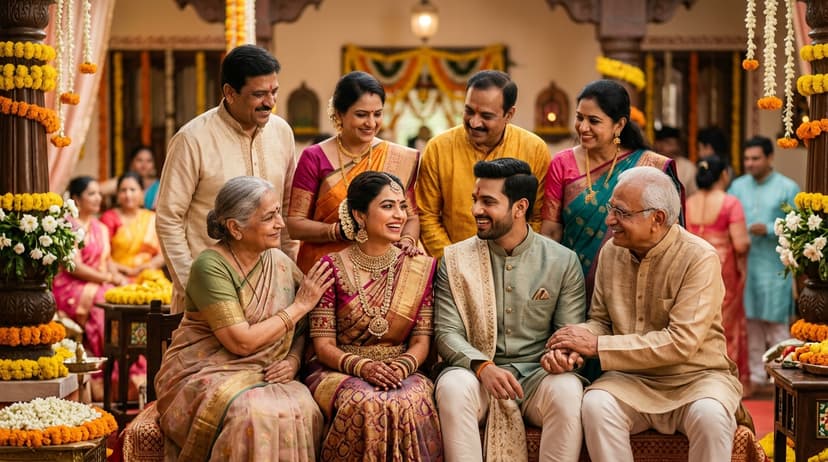
Jain marriages are more than just the union of two individuals; they represent the merging of two families, carrying forward generations of values, traditions, and cultural heritage. The family plays a central and indispensable role in every stage of the matrimonial process, from the initial search for a suitable partner to the joyous celebrations of the wedding ceremony and beyond. Understanding the significance of family involvement is crucial for anyone navigating the world of Jain matrimony.
In Jainism, the family is the cornerstone of society, and marriage is considered a sacred institution that strengthens these familial bonds. The blessings and support of family members are believed to be essential for a successful and harmonious married life. Therefore, the process of finding a life partner in the Jain community is often a collaborative effort, involving parents, siblings, grandparents, and even extended relatives.
This blog post will delve into the various ways in which family members contribute to the Jain matrimonial process, highlighting the importance of their involvement and the values they uphold. We will explore the traditions, expectations, and responsibilities that families shoulder in ensuring a happy and fulfilling marriage for their children. Whether you are a prospective bride or groom, or a family member supporting the search, this guide will provide valuable insights into the vital role of family in Jain marriages.
The Initial Search: Family as Matchmakers
In many Jain families, the initial search for a suitable partner is often initiated and guided by the parents or other senior family members. They leverage their social networks, community connections, and personal knowledge to identify potential matches that align with the family's values, beliefs, and social standing. This approach is rooted in the understanding that marriage is not just about individual compatibility but also about the compatibility of the two families.
Parents typically have a clear understanding of their child's preferences, values, and aspirations. They also have a deep understanding of their family's expectations and traditions. By combining these insights, they can identify potential matches that are likely to be a good fit for both the individual and the family. This initial screening process can save time and effort, ensuring that only the most promising candidates are considered.
While traditional methods like word-of-mouth and community gatherings are still prevalent, online Jain matrimony platforms like DGProfile (https://dgprofile.co) have become increasingly popular. These platforms offer a wider pool of potential matches and allow families to conduct preliminary research and screening from the comfort of their own homes. Even when using online platforms, the family's involvement remains crucial, as they often review profiles, conduct background checks, and initiate conversations with potential families.
Assessing Compatibility: Family Values and Expectations
Once potential matches have been identified, the next step involves assessing compatibility on various levels. This assessment goes beyond individual personalities and preferences and delves into the family values, traditions, and expectations that each family upholds. Jain families place a high value on factors such as religious adherence, dietary practices, social standing, and educational background.
Family discussions and meetings play a vital role in this assessment process. Parents and senior family members often meet with the prospective bride or groom and their family to get a better understanding of their values and expectations. These meetings provide an opportunity to discuss important topics such as career aspirations, lifestyle preferences, and future family planning. The goal is to ensure that both families are on the same page and that there are no significant differences that could lead to conflict in the future.
The compatibility of family values is particularly important in Jain marriages. Jainism emphasizes non-violence (Ahimsa), truthfulness (Satya), non-stealing (Asteya), celibacy (Brahmacharya), and non-attachment (Aparigraha). Families often seek partners who share these values and are committed to upholding them in their daily lives. This ensures that the marriage is grounded in a strong foundation of shared beliefs and principles.
Supporting the Couple: Emotional and Practical Assistance
The role of the family does not end with the wedding ceremony. In fact, it is just the beginning of a lifelong commitment to supporting the couple and helping them navigate the challenges and joys of married life. Jain families provide emotional, practical, and financial assistance to newly married couples, ensuring that they have the resources and support they need to thrive.
Emotional support is particularly important in the early years of marriage, as the couple adjusts to living together and building a life as a unit. Family members offer guidance, encouragement, and a listening ear, helping the couple navigate conflicts, resolve disagreements, and strengthen their bond. They also provide a sense of belonging and connection, reminding the couple that they are not alone in their journey.
Practical assistance can take many forms, such as helping with household chores, providing childcare, or offering financial support. This assistance can be particularly valuable when the couple is starting out and may be facing financial constraints or other challenges. The family's willingness to lend a helping hand can significantly ease the burden on the couple and allow them to focus on building their careers and raising their family.
Upholding Traditions: Passing on Cultural Heritage
Jain families play a crucial role in upholding and passing on cultural heritage to future generations. Marriage is seen as an opportunity to reinforce these traditions and ensure that they continue to be practiced and valued. Families often incorporate traditional rituals and customs into the wedding ceremony and other celebrations, teaching the younger generation about their cultural roots.
These traditions can include everything from specific religious ceremonies to family-specific customs and rituals. They often involve elaborate preparations, traditional attire, and the participation of various family members. By actively participating in these traditions, the younger generation learns about their cultural heritage and develops a sense of pride and belonging.
Furthermore, families play a vital role in teaching the couple about Jain values and principles. They instill in them the importance of non-violence, compassion, and respect for all living beings. This ensures that the marriage is grounded in a strong foundation of Jain values and that the couple is committed to living a life that is in accordance with these principles.
Dealing with Challenges: Family as a Safety Net
Even in the best of marriages, challenges and difficulties can arise. In such situations, the family can serve as a vital safety net, providing support, guidance, and a sense of stability. Family members can offer a neutral perspective, helping the couple to resolve conflicts and find solutions that are in the best interests of both parties. They can also provide emotional support and encouragement, reminding the couple of their commitment to each other and to their marriage.
In some cases, family intervention may be necessary to address serious issues such as domestic violence or infidelity. In these situations, family members can provide a safe space for the affected spouse and offer support in seeking professional help. They can also help to mediate the situation and find a resolution that is fair and just for all parties involved.
It is important to note that family intervention should always be approached with sensitivity and respect. The goal should be to help the couple resolve their issues and strengthen their marriage, not to impose solutions or take sides. Family members should act as mediators and facilitators, helping the couple to communicate effectively and find common ground.
Conclusion
The family's role in Jain marriages is multifaceted and indispensable. From initiating the search for a suitable partner to providing ongoing support and upholding traditions, family members play a vital role in ensuring a happy and fulfilling marriage. Understanding and appreciating the significance of family involvement is crucial for anyone navigating the world of Jain matrimony.
By embracing the values and traditions that families uphold, couples can build a strong and lasting foundation for their marriage. The blessings and support of family members can provide invaluable guidance and encouragement, helping the couple to navigate the challenges and joys of married life.
If you are looking for a life partner within the Jain community, DGProfile (https://dgprofile.co) offers a platform to connect with like-minded individuals and families who share your values and traditions. Start your journey towards a blissful Jain marriage with the support of your family and the resources available on DGProfile.co.
7 views
0 likes
0 comments
Leave a Comment
More Articles by DGProfile
27 April 2026
· 8 min read

26 April 2026
· 5 min read

25 April 2026
· 7 min read
24 April 2026
· 7 min read
20 April 2026
· 8 min read

19 April 2026
· 7 min read

© 2026 DGProfile Marriages (OPC) Pvt. Ltd. All Rights Reserved.