
DGProfile
Jain Arranged Marriage: A Step-by-Step Guide
Posted on 21 March 2026
Introduction
Arranged marriages have been a cornerstone of Jain culture for generations, offering a structured and community-supported path to finding a life partner. While the concept might seem traditional, it's evolved to incorporate modern values and individual preferences. This guide explores the intricacies of Jain arranged marriages, shedding light on the process, customs, and considerations involved.
The Jain community places a strong emphasis on shared values, religious beliefs, and family backgrounds, making arranged marriages a preferred method for finding compatible partners. The process often involves families playing a significant role in identifying potential matches, but the final decision always rests with the individuals involved.
The Initial Search and Family Involvement
The process typically begins with families actively searching for suitable matches within their extended network, community gatherings, or through Jain matrimonial platforms like DGProfile. Families often gather information about potential candidates from trusted sources, focusing on aspects like their education, profession, family values, and religious adherence. This initial screening helps narrow down the pool of potential partners to those who align with the family's expectations and values.
Information sharing is key. Biodata, including personal details, family background, education, and career information, are exchanged between families. Photographs are also shared to provide a visual representation of the potential match. This information allows families to assess the overall compatibility of the individuals involved.
Preliminary Meetings and Compatibility Assessment
Once families identify a promising match, preliminary meetings are arranged. These meetings can range from informal gatherings at home to more structured encounters in neutral settings. The primary goal is for the families to get to know each other and assess the overall compatibility between the two families.
Compatibility is assessed on various levels, including social standing, financial stability, and adherence to Jain principles. Families often look for similarities in values, lifestyle, and cultural practices. The potential bride and groom are also given the opportunity to interact and communicate with each other, often in the presence of family members.
The Role of Jain Matrimonial Websites
In today's digital age, Jain matrimonial websites like DGProfile have become invaluable resources for finding potential matches. These platforms offer a vast database of profiles, allowing individuals and families to search for partners based on specific criteria, such as age, education, profession, location, and religious affiliation.
DGProfile streamlines the matchmaking process by providing advanced search filters, personalized recommendations, and secure communication channels. It empowers individuals to take control of their search for a life partner while still adhering to the traditional values of arranged marriage.
Astrology and Kundali Matching
Astrology plays a significant role in Jain arranged marriages. Kundali matching, the process of comparing the birth charts of the potential bride and groom, is often conducted to assess the astrological compatibility between the two individuals. This practice is believed to provide insights into the potential for harmony, understanding, and longevity in the marriage.
Astrologers analyze various aspects of the Kundalis, including the positions of planets, the presence of doshas (afflictions), and the overall compatibility of the charts. The results of the Kundali matching are carefully considered before proceeding further in the marriage process.
Courtship and Getting to Know Each Other
If the preliminary meetings and Kundali matching are favorable, the potential bride and groom are given the opportunity to spend more time getting to know each other. This courtship period allows them to build a deeper connection, understand each other's personalities, and assess their long-term compatibility.
During this time, they may engage in conversations about their values, goals, aspirations, and expectations for the future. They may also spend time together in social settings, participate in activities they both enjoy, and interact with each other's friends and family. This period is crucial for building a strong foundation of trust, respect, and understanding.
The Proposal and Engagement Ceremony
If the potential bride and groom feel a strong connection and believe they are compatible, the proposal is made. This is a formal declaration of their intention to marry each other and is often accompanied by a celebration with family and friends.
Following the proposal, an engagement ceremony is typically held. This ceremony marks the official beginning of the wedding preparations and symbolizes the commitment between the two individuals. The engagement ceremony often involves the exchange of rings, prayers, and blessings from elders.
Pre-Wedding Rituals and Celebrations
Jain weddings are typically elaborate affairs filled with vibrant rituals, colorful decorations, and joyous celebrations. Pre-wedding rituals often begin several days or even weeks before the actual wedding day. These rituals are designed to purify the bride and groom, seek blessings from deities, and prepare them for their new life together.
Some common pre-wedding rituals include the Mehndi ceremony, where intricate henna designs are applied to the bride's hands and feet; the Sangeet ceremony, a musical evening filled with dancing and singing; and the Haldi ceremony, where a turmeric paste is applied to the bride and groom for good luck and prosperity.
The Wedding Ceremony
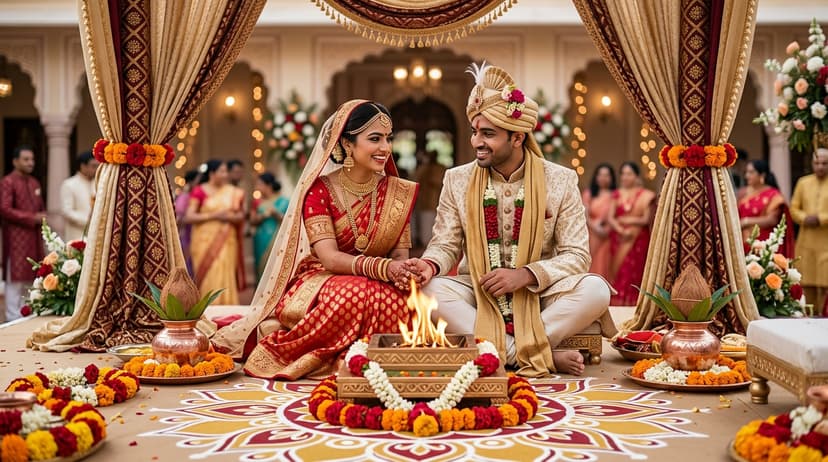
The Jain wedding ceremony is a sacred and solemn occasion that is conducted according to Jain scriptures and traditions. The ceremony typically takes place in a temple or a decorated venue and is presided over by a Jain priest.
The core of the wedding ceremony involves the chanting of mantras, the exchange of vows, and the performance of various rituals that symbolize the union of the bride and groom. These rituals often include the Mangal Pheras, where the couple circles a sacred fire four times, each representing a different aspect of life: Dharma (righteousness), Artha (wealth), Kama (desire), and Moksha (liberation).
Post-Wedding Rituals and Reception
Following the wedding ceremony, post-wedding rituals are performed to welcome the bride into her new family and to celebrate the beginning of their married life. These rituals often involve the Griha Pravesh, where the bride is welcomed into her new home; the Muh Dikhai, where the bride is introduced to the groom's family; and the reception, a grand celebration with food, music, and dancing.
Evolving Trends in Jain Arranged Marriages
While traditional values remain at the core of Jain arranged marriages, there have been some significant shifts in recent years. Younger generations are increasingly seeking greater autonomy in the selection process, often prioritizing personal compatibility and shared interests over strict adherence to traditional criteria.
The role of families is also evolving. While families still play a vital role in identifying potential matches, they are increasingly respecting the individual's preferences and allowing them to make the final decision. The emphasis is shifting towards finding a balance between tradition and modernity, ensuring that the marriage is both culturally appropriate and personally fulfilling.
Conclusion
Jain arranged marriages continue to be a relevant and respected tradition within the community. By understanding the process, respecting the customs, and embracing the evolving trends, individuals and families can navigate the path to finding a compatible and fulfilling life partner.
Ready to start your journey? Find your Jain life partner on DGProfile today! Visit https://dgprofile.co to register and begin your search.
36 views
0 likes
0 comments
Leave a Comment
More Articles by DGProfile
27 April 2026
· 8 min read
26 April 2026
· 5 min read
25 April 2026
· 7 min read
24 April 2026
· 7 min read
20 April 2026
· 8 min read
19 April 2026
· 7 min read

© 2026 DGProfile Marriages (OPC) Pvt. Ltd. All Rights Reserved.